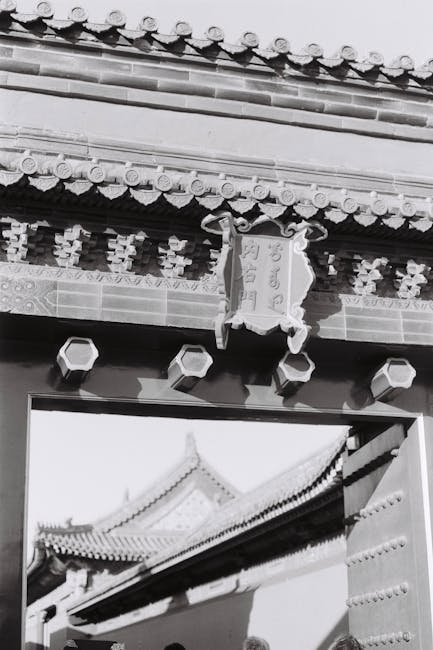
The vibrant architectural tradition of Guangdong, blending Chinese, Southeast Asian, and European influences.
Lingnan architecture (岭南建筑, Lingnan jianzhu) refers to the distinctive building traditions of Guangdong province and the surrounding Lingnan region in southern China. The name Lingnan, meaning "south of the mountain ranges," describes the area south of the Nanling Mountains that has developed a unique cultural and architectural identity shaped by its subtropical climate, maritime trade, and Cantonese cultural heritage. Lingnan architecture is characterized by its colorful decoration, open and airy layouts, and eclectic fusion of Chinese, Southeast Asian, and European elements.
Historical Context
The Lingnan region has been a crossroads of cultures for over two thousand years. Guangzhou (Canton) was a major port on the Maritime Silk Road, connecting China with Southeast Asia, India, the Middle East, and eventually Europe. This exposure to foreign cultures is reflected in Lingnan architecture, which freely incorporates elements from diverse traditions while maintaining a distinctly Chinese foundation. The region's prosperity from trade funded the construction of elaborate ancestral halls, temples, and merchant houses that showcase the finest Lingnan craftsmanship.
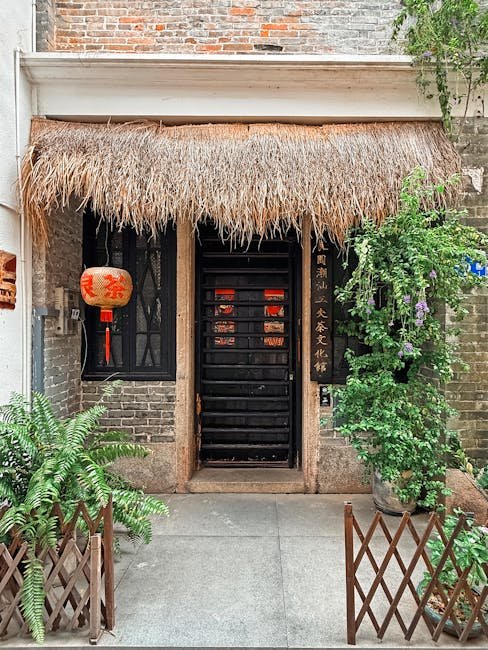
The climate of Lingnan — hot, humid, with heavy rainfall and typhoons — also profoundly shaped the region's architecture. Buildings are designed to maximize ventilation and shade, with deep overhanging eaves, open verandas, and high ceilings. The layout is typically more open and fluid than northern Chinese architecture, with less emphasis on strict axial symmetry and more integration of indoor and outdoor spaces. The result is an architecture that feels light, airy, and connected to the tropical landscape.
"Lingnan architecture is the most cosmopolitan of China's regional building traditions. Centuries of maritime trade brought influences from across Asia and Europe, which Cantonese craftsmen absorbed and transformed into something uniquely their own. The result is an architecture of extraordinary decorative richness and cultural hybridity."
Architectural Features
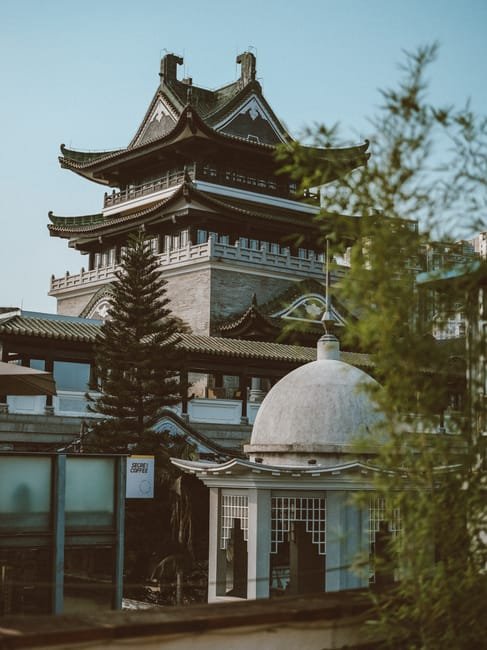
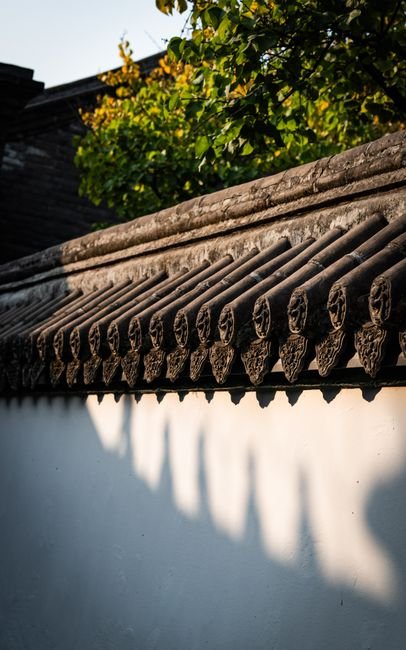
The most visually striking feature of Lingnan architecture is its use of color and ornamentation. Unlike the restrained whitewashed walls of Huizhou or the grey bricks of Beijing, Lingnan buildings are often decorated with bright colors — turquoise, green, gold, and crimson — in ceramic, wood, and stone. The ridge ornaments of Lingnan buildings are particularly elaborate, featuring scenes from Cantonese opera, mythology, and daily life rendered in colorful ceramic figurines known as "ridge ornaments" (屋脊装饰).
The "three carvings and one sculpture" (三雕一塑) tradition is central to Lingnan architectural decoration: wood carving (木雕), brick carving (砖雕), stone carving (石雕), and lime sculpture (灰塑). Lime sculpture is a particularly distinctive Lingnan craft, in which colored lime mortar is molded into decorative reliefs depicting flowers, birds, figures, and auspicious symbols. These decorations adorn the ridges, walls, and gables of Lingnan buildings, creating a visual richness unmatched in other Chinese regional styles.
Representative Examples
The Ancestral Temple of the Chen Family (陈家祠, Chen Jia Ci) in Guangzhou is widely regarded as the finest example of Lingnan architecture. Built in 1894 as a temple and academy for the Chen clan, the complex is a masterpiece of Lingnan decorative arts, with every surface covered in intricate carvings, sculptures, and paintings. The temple's roof ridges are adorned with hundreds of ceramic figurines depicting scenes from Chinese opera, while its halls, courtyards, and corridors showcase the full range of Lingnan craftsmanship.
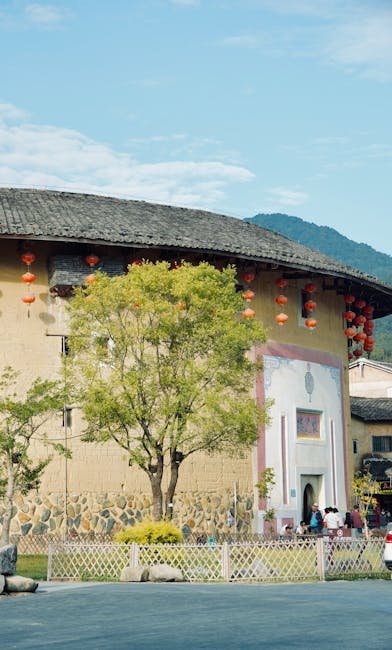
Other notable examples of Lingnan architecture include the Guangxiao Temple, one of the oldest Buddhist temples in southern China; the Arcade Buildings (骑楼, qi lou) of Guangzhou's Shangxiajiu Pedestrian Street, which blend Chinese, European colonial, and Southeast Asian influences; and the diaojiaolou (碉楼) watchtowers of Kaiping, multi-story defensive towers that combine Chinese and Western architectural elements. These diverse building types together illustrate the richness and adaptability of the Lingnan architectural tradition.